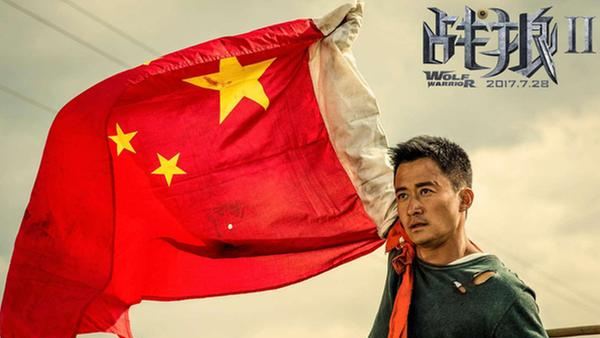
Wu Jing
Introduction
Wu Jing is a distinguished Chinese actor, director, and martial artist who has made significant contributions to the Chinese film industry. His multifaceted career spans across acting, directing, and martial arts, earning him nationwide and international recognition. Wu's work in action films and his role in blockbuster hits, such as the Wolf Warrior series, has solidified his status as one of China's most prominent film figures. His achievements in martial arts and film have not only entertained audiences but have also contributed to the broader cultural landscape of Chinese cinema.
Early Life and Education
Wu Jing was born on April 3, 1974, in Beijing, China. From a young age, Wu was drawn to martial arts, a passion that would significantly influence his career path. He enrolled in the Beijing Sports Institute, where he honed his skills in martial arts, specifically in wushu, a contemporary form of martial arts that combines performance and martial application. Wu's education in martial arts provided him with the foundation needed to excel in action films, setting the stage for his future success in the entertainment industry.
Career
Martial Arts Career
Wu Jing's prowess in martial arts began to gain recognition during his early years. As a wushu practitioner, he competed in national competitions, earning accolades for his skill and dedication. Wu's martial arts background became a critical component of his acting career, allowing him to perform his own stunts and lend authenticity to his action roles. His martial arts expertise not only enhanced his credibility as an action star but also contributed to the resurgence of martial arts films in China.
Film and Television
Wu Jing's acting career took off with his role in the 1997 television series "The Tai Chi Master," which brought him into the limelight. This success was followed by a series of roles in action films, where his martial arts skills were prominently showcased. Wu's filmography includes a variety of notable films such as "Legend of Dagger Lee," "SPL: Sha Po Lang," and the "Wolf Warrior" series. His role as Leng Feng in "Wolf Warrior II," in particular, propelled him to superstar status, with the film breaking box-office records in China and becoming a cultural phenomenon.
Directorial Work
In addition to his acting career, Wu Jing has also made significant strides as a director. His directorial debut came with the 2008 film Legendary Assassin, which he co-directed with Li Chung-chi. However, it was his work on the "Wolf Warrior" series that established his reputation as a director. Wu's ability to blend high-octane action with compelling storytelling has been instrumental in his films' commercial success. Wolf Warrior II, which he directed and starred in, became the highest-grossing film in China's history at the time, showcasing his talent as both a filmmaker and an actor.
Awards and Recognition
Wu Jing's contributions to the film industry have been recognized with numerous awards and accolades. His work in "Wolf Warrior II" earned him widespread acclaim, and the film itself became a landmark in Chinese cinema. Wu has received awards for both his acting and directing, highlighting his versatility and impact on the industry. His achievements have not only elevated his own career but have also brought increased attention to Chinese action films on a global scale.
Cultural Impact
Wu Jing's influence extends beyond the box office, as his films often resonate with themes of patriotism and national pride. His portrayal of heroic characters, particularly in military-themed films, has struck a chord with Chinese audiences, contributing to a sense of cultural identity and pride. Wu's films, such as Wolf Warrior II, have become cultural touchstones, inspiring discussions about the role of cinema in shaping national narratives. His success has also paved the way for other Chinese filmmakers to explore similar themes, further enriching the country's cinematic landscape.








